Jul 22, 2026 · 6 min read
The Unspoken Burden Of Living Abroad: 5 Ways Other Africans Are Beating The Pressure
Living abroad as an African often means carrying two lives at once — building a future in a new country while shouldering nonstop financial demands from home. This piece breaks down five practical shifts that Africans abroad are using to protect their peace without abandoning their families.
By Super Admin
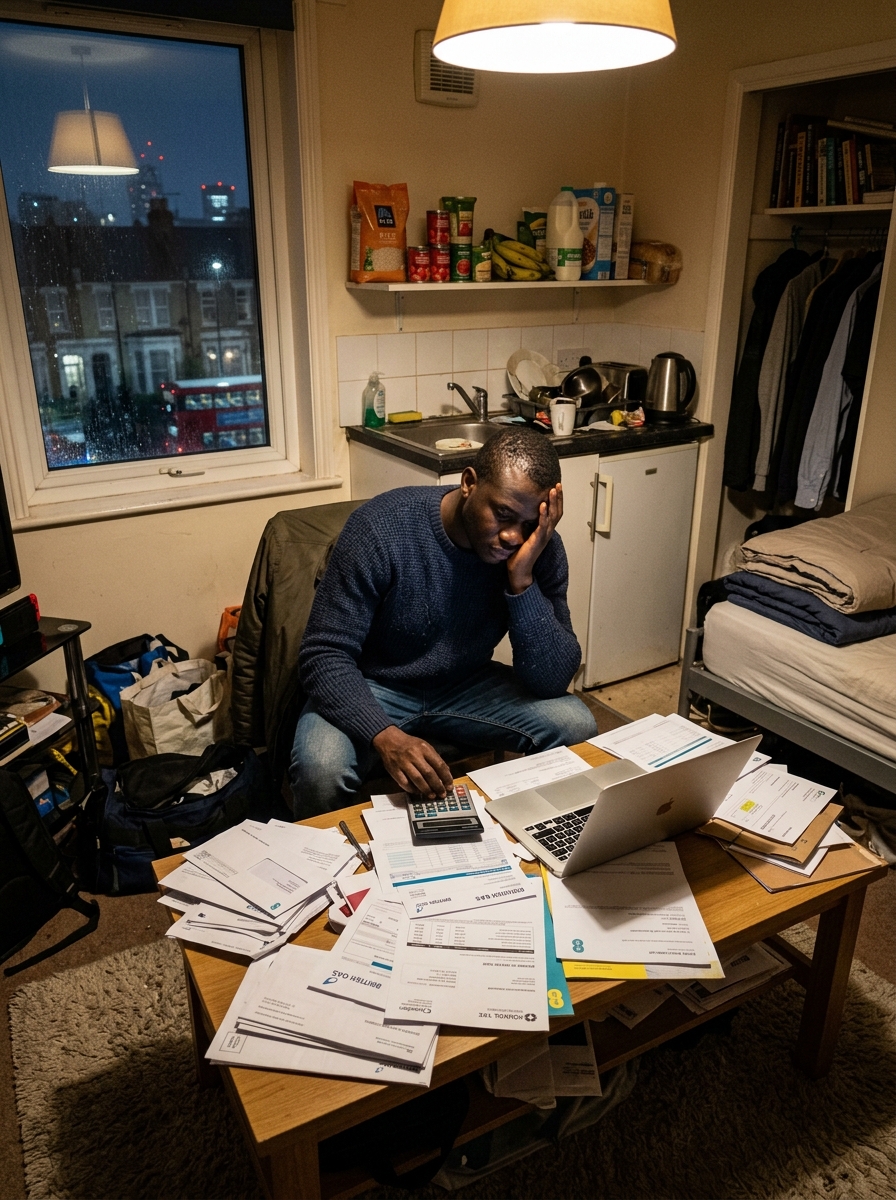
The money is sent on the 28th day, and by the third day of the month, your phone starts ringing again. Medication for your mother is needed, and other needs that living as a human being demands from people. Fortunately or otherwise, you are the only one who has found a job that pays you dollars, pounds, or euros.
Nobody told you that succeeding abroad would feel like this while you ask yourself, “Am I the only one feeling this weight? No, you are not alone, buddy.
This is the thing about life as an African in the diaspora: the success is real, but so is the suffocation. You left to build a better life, and you are still on that mission, but that better life comes with an invoice that arrives monthly, sometimes weekly, in the form of phone calls that start with “I hate to bother you, but…” You know the rest, don’t you?
That moment when you seriously feel the tiredness of being everyone’s Messiah. Then it eventually builds up to resentment, the type you continue to swallow down because who gets resentful about helping family? However, the truth is that forsaking families is not the way to go.
That would not only be wrong but a betrayal of the African identity. What others do is that they reimagine what responsibility means in such a life.

Let’s walk through these 5 things that will help you rest from burdens.
1. They set boundaries that feel like betrayal
I guess you have friends and families abroad, who take months before you hear hello from them, or those others, who never say a word until someone at home is dead. It isn’t totally their fault; it is because of the chokehold that comes with people demanding money from them all the time. Boundaries create breathing space. Without them, even the strongest resolve can buckle under invisible weight.
There is no doubt that family always comes first, all the time. However, there is a difference between putting family first and setting yourself on fire to keep others warm. When you say ‘I can’t right now’, it doesn’t mean you don’t care. It just means that clarity comes when boundaries are drawn.
One time, a friend in Toronto was sending money home whenever the request came, dipping into her business loans, emergency funds, and others, until she came to the realization that four years had passed and she had no savings, despite running two jobs and losing hours of sleep daily.
2. They have honest money conversations
Many people back home think that people who live abroad are rich. Just because you live in America, England, or Germany and earn Canadian dollars, pounds, or even euros. They totally forget how you can’t even afford to rent your own house, the loans you owe, the taxes you can’t dodge, and other burdens that sit on you every day abroad.
Your best bet is to intentionally discuss money with them. Africans who have worked this out are those who have begun to openly discuss this issue, not through complaining but rather in a manner that educates.
From bank account balance to budgets. Anything you can afford to show them to bring you both to the same page. I remember how Todimu’s father kept asking for a larger amount. One day, he finally sat the man down on a video call and talked him through his life, rent, utilities, transport, food, taxes, and health insurance. He showed his father the numbers, how he shares an apartment, how he takes the bus, how he walks long distances, and all of those things that make people abroad shed tears.
That conversation changed everything. It may be uncomfortable to discuss such, but the real discomfort is suffering in silence.
3. They invest in solutions, not just emergencies
Take a look at this situation: someone gets sick, you send money, another person needs school fees, you send money, and the cycle continues. Hello, you might wear out from such repeat ad nauseam.
The Africans who have found some breathing space are no longer playing the role of firefighters but rather have become strategic investors. Instead of sending money for Grandmother’s medication every month, they set up a health insurance plan back home.
Instead of continuing to send funds for school fees every term, they opened education savings accounts. Instead of bankrolling bad businesses, they funded business training first.
That’s the easiest way to change the relationship from dependency to development. Wait, there’s a warning I should caution you about; this approach will make them tag you as stingy. But, does it really matter?
4. They build Community with other Africans abroad
This burden of loneliness is part of what makes it unbearable. You can’t tell your non-African friends because they just won’t understand, nor can you tell your family back home because you are supposed to be strong. So you suffer in silence.
If you ask me, I’d say join a community; it doesn't matter if it's formal or not. There, they understand when you say, "I sent money last week and they're asking again." Where you can admit you're tired without being called selfish.
Seeing others wrestle with the same challenges normalizes your own experience. It creates subtle networks of support, the type that is as vital as the money you send. These diaspora forums, WhatsApp groups, and informal communities can become your confessional rooms and go-to strategy labs.
Among other benefits, they can offer:
Practical hacks for sending money efficiently
Advice for navigating family expectations
Emotional validation: knowing you’re not alone
They share strategies and recommend money transfer services like SendBuddie with better rates and zero worry experience for you. Knowing you're not alone in this is enough to keep going.
Finally,
5. They Redefine Success on Their Own Terms
The biggest trap is accepting someone else's definition of what your success should accomplish. They say things like, “If you're abroad, you're supposed to buy land back home, build a house, sponsor relatives' relocations, and many other daydreams.
The truth is that those words are misleading. The Africans who've found peace are the ones who have decided what success means to them, rather than chasing moving targets. It is important to recognise that you can't pour from an empty cup, and you can't build a future if you're perpetually sacrificing your present.

Let’s agree on one thing: living abroad as an African means carrying two lives. You're building one here while supporting one there, and the physics of that are brutal but the Africans who make it work long-term have learned something essential.
It's up to you to choose between honouring your responsibilities without being destroyed by them or not. My recommendation is striking a balance between loving your family fiercely and still protecting your peace.
When you send money home, do it without sending your entire self. With a solution like SendBuddie, what you send is what they get. It is fast, easy and seamless. Download the app from the Google Play Store for android or here for Apple.
The burden doesn't disappear, but it becomes something you carry instead of something that carries you.
Agree?
Got questions or other enquiries? Reach out via sendbuddie@sendbuddie.com or send us a message on any of our social media channels @Sendbuddie.