Jun 25, 2026 · 5 min read
The Survival Guide Nobody Gives Africans Abroad: Find These 4 Friends Before You Need Them
Living abroad teaches you many things. How to survive winter. How to stretch a paycheck. How to miss home in ways you never expected. But one lesson stands above the rest: the right friends can become your lifeline. Here's the survival guide nobody gives Africans abroad.
By Super Admin

Nobody tells you how quiet life abroad actually is. Before you move, the conversation is always about the big things: better jobs, better schools, better healthcare, and infrastructure that actually works. Most of that is true, but nobody warns you about the silence.
It’s the kind of silence that hits the moment you close your apartment door after work. You realize there is no one to talk to, no one to randomly ask if they’ve eaten, and no one to laugh at a joke that only makes sense in your own language. For many Africans living overseas, the loneliness usually arrives long before the success does. You quickly learn that survival isn't just about the money in your bank account; it’s about the people around you.
Over time, most of us find that our survival system is built on four specific types of friends. They might annoy you or end up on mute on your WhatsApp, but you need every one of them.

Type 1: The Mother or Father Friend
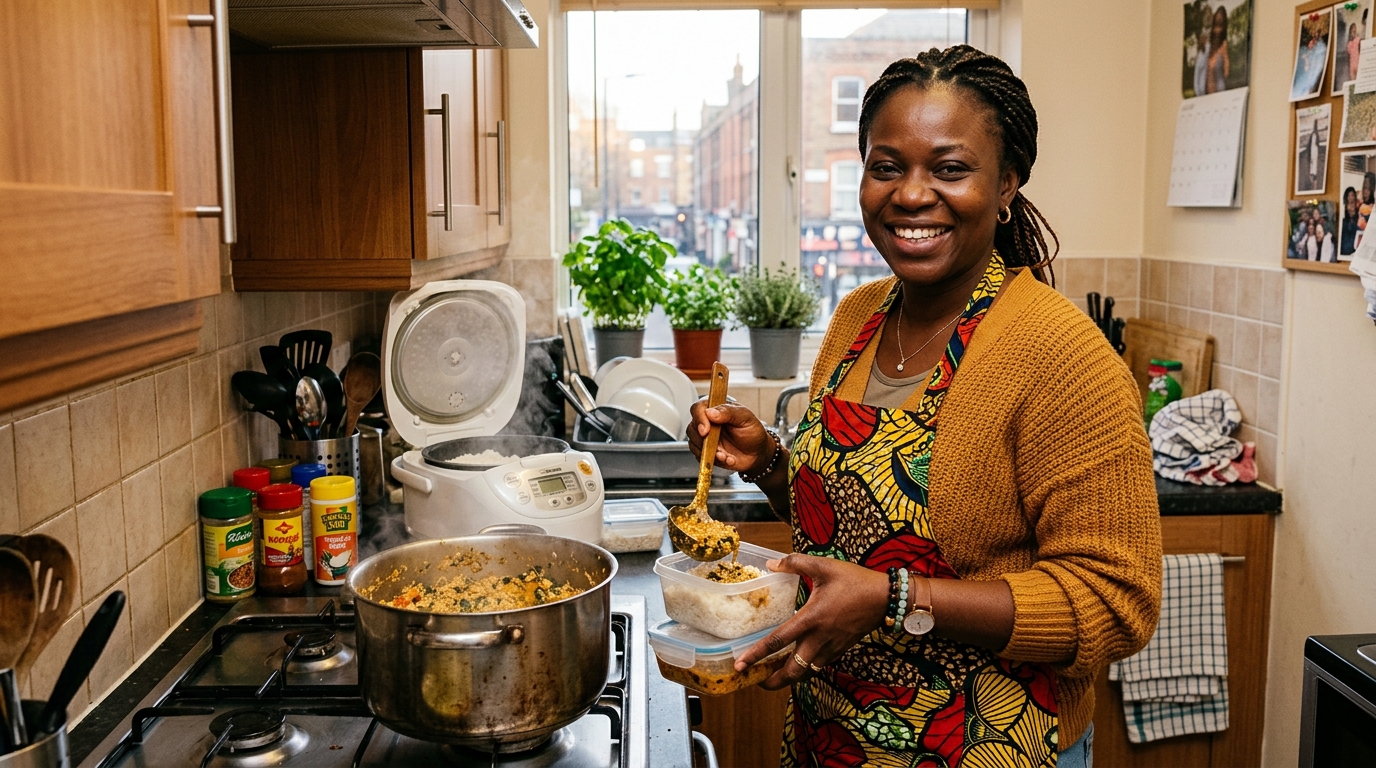
First, there is the Mother or Father figure. Age doesn't really matter here; it's about the energy. This person somehow adopts everyone in the community without being asked. They are the reason you know where to find the good garri or the African store that doesn't overcharge for egusi. When you’re sick, they don’t ask a million questions or wait for an invitation, they just show up with enough food to feed a village. Their questions, like "Are you sleeping enough?" hit differently when you’re thousands of miles from home. They are the emotional anchors who remind you of the family you left behind.
Type 2: The Hustler
This is the friend with three jobs and four side businesses who still finds time for every birthday party. They are a walking directory of opportunities. If you need a roommate, a second job, or the cheapest flight home, you call them. Sure, they might occasionally try to pull you into a questionable investment scheme, but they understand how to navigate the system better than anyone. When you're trying to build a life from scratch, having a Hustler in your corner is a massive advantage.

Type 3: The Religious Friend
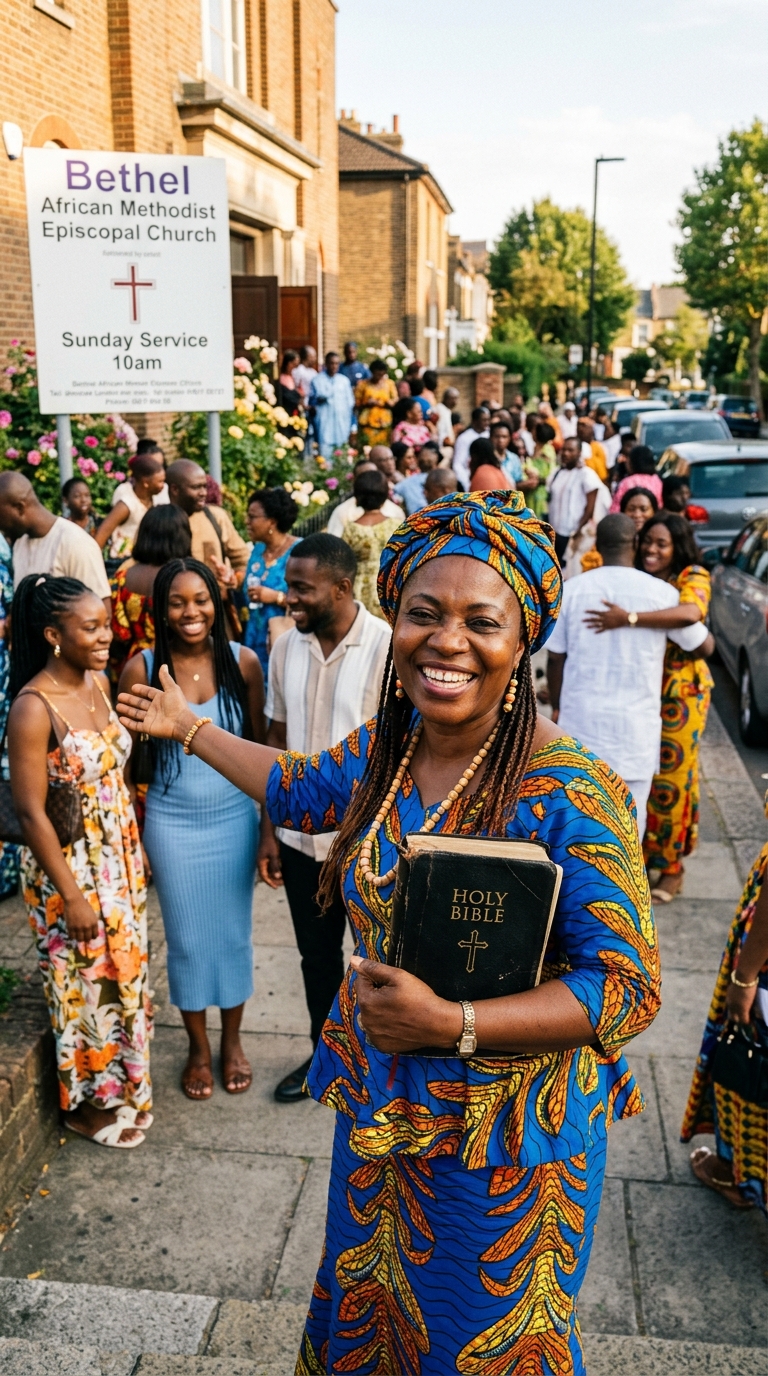
You probably have a few of these. They invite you to every service, prayer meeting, and "special program" on the calendar. You might wonder if they’re on the church payroll, but when real trouble hits, they are often the most dependable people you know. When everyone else is busy, they show up with practical help from transportation, to food, or just a listening ear. These communities often become the easiest way to combat isolation, not just because of shared faith, but because they provide a space where people show up for each other consistently.
Finally, there’s the friend who insists they are "not like other Africans." They claim to avoid the drama and the traditional events, yet the moment an African wedding or a big party happens, they are in the front row. They’ll be singing every lyric to songs they claimed they didn't know. They remind us that you can't just switch off your identity. Often, we spend years trying to distance ourselves from home only to realize how much it actually matters to us.

The interesting thing is that we usually look for friends who are just like us, but survival abroad actually requires this variety. The Mother/Father figure gives you care, the Hustler gives you opportunity, the Religious Friend gives you community, and the one "not like the others" gives you perspective. Together, they create the support system you need when your actual family is far away.
One of the biggest lies about living overseas is that success cures loneliness. It doesn't. You can have the best salary and a beautiful apartment and still wish someone would just knock on your door with a plate of jollof rice. We come from deeply communal cultures where life is lived in the company of others. When we move, we leave that ecosystem behind. Building a new community isn't a luxury; it's a necessity.

There is a proverb that says it takes a village to raise a child, but the truth is it also takes a village to survive adulthood in a foreign country. The beautiful part is seeing these friendships evolve. Friends become siblings, and neighbors become emergency contacts. The village didn't disappear when you moved; you just had to build a new one from scratch.
Across the world, Africans abroad rely on more than money to stay connected to home. They rely on community, friendships, on people who become family when family is thousands of miles away. If you’re new to this, don't wait until things get hard to start looking for your people. Join the groups, go to the gatherings, and accept the invitations.
You're going to need them. For a start, join us, the SendBuddie community. We care for every African abroad and we got your back.