May 21, 2026 · 7 min read
The real-cost-of-being-african-abroad
The brutal financial truth of being African abroad. Dual economies, guilt tax, remittance costs & how to send money sustainably that nobody told you of about the real cost of being African abroad.
By Super Admin

Nobody really gave you the complete picture before you boarded that plane. I am certain that your job offer laid out your salary, and the visa application explained what you needed. Even your family's goodbyes included prayers for your success overseas but what nobody ever truly sat you down to explain, in a clear and practical way, was how money really works for Africans living abroad.
That's exactly what this article aims to do.
This isn't meant to be some feel-good pep talk, it's just an honest look at things. The clearer you see the actual money situation in your life, the better you can handle it and still be there for everyone who relies on you.
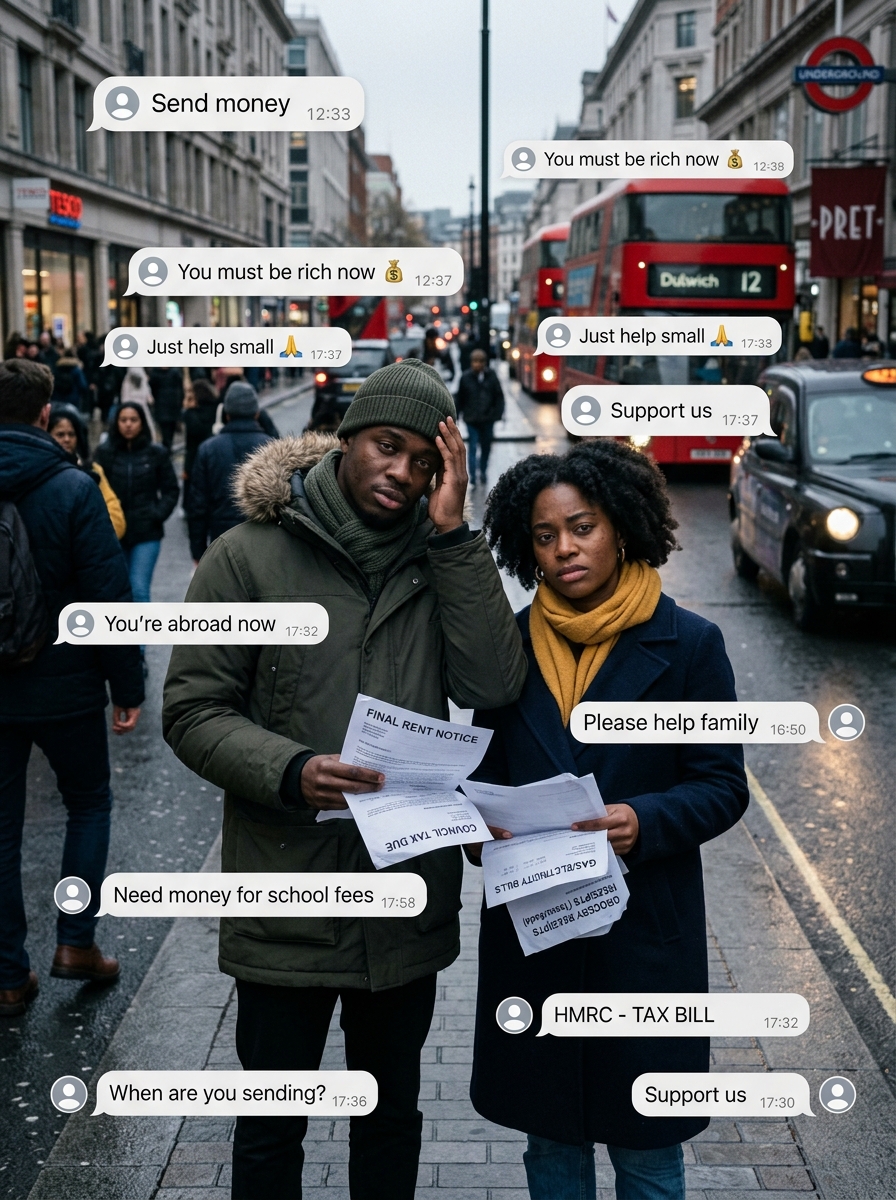
Africans living in diaspora often manage two money systems at once: one with pounds, dollars, or Euros, and another with African currencies. Most money advice out there is only written for people dealing with one. But this one is for you!
The Double Economy: What It Actually Costs to Live in Two Countries
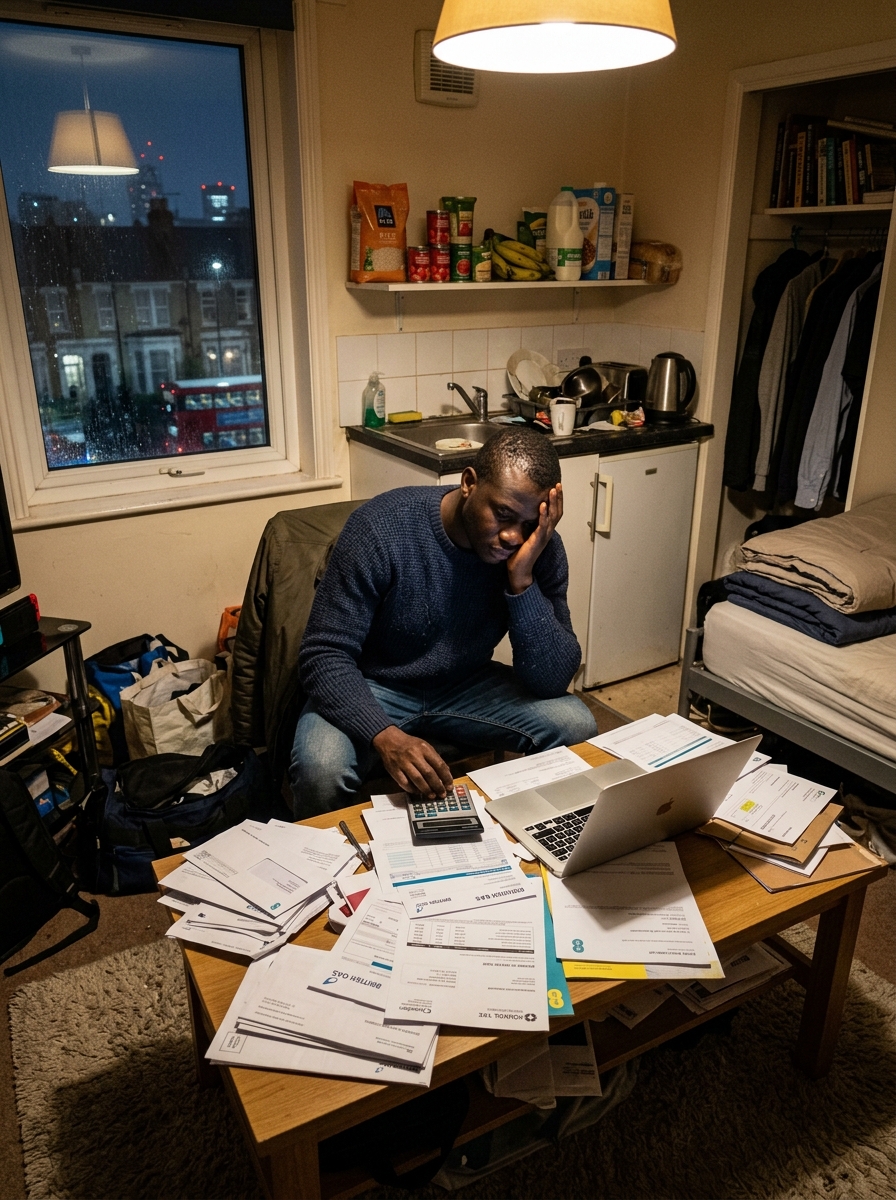
Your coworkers might think they know what your expenses are: rent, food, travel, phone etc . All the usual living costs in London, Birmingham, or Manchester or anywhere else in developed countries but they don't see that second economy you're running alongside it.
That 150CAD direct debit every month, the big, but irregular, transfers that always pop up: school fees twice a year, a medical bill that couldn't wait, a roof that needed fixing before the rains came, a funeral contribution you just couldn't say no to, the plane ticket home that costs over $500, which you need at least every eighteen months to really stay connected to the people who depend on you emotionally and financially.
Studies on how Africans living abroad handle money consistently show that the average African in the UK sends between 15% and 25% of their take-home pay back home each year and that's before you even count things like paying for family visits, phone call packages, and money gifts for big family events. For many, the real cost of these family obligations is closer to 30%.
The Invisible Budget Line: What No one Talks about
There are money realities specific to the Africans abroad that no budgeting app can really cater to yet. Let’s discuss them one after another.
The emergency fund that is never really yours:
You try to save £2,000 for your own emergencies and slowly manage it. Suddenly, a real emergency happens but it's not yours, it's your mother's or sibling and your emergency fund ends up solving someone else's crisis. This isn't a fault in your character. It's just how things are when you're the most financially stable person in a big family.
The cost of money on relationships:
Every time you say you can't send money this month, it affects your relationships. Every time you send money when you really shouldn't, it affects your own finances. The constant back and forth between these two costs is always there, often unspoken, and incredibly draining.
The currency risk no one considers:
You earn in a currency your family doesn't use. For example, when the pound gets weaker against the naira or cedi, your actual income drops, not in pounds, but in how much it can buy back home. In 2025, as the pound weakened against several African currencies, people sending money from the UK essentially saw a real pay cut for the families they support though their bills in the UK didn't go down.
The Guilt Tax: What It Costs You Financially and Personally
Literally, guilt is expensive. When you send money because you feel guilty, rather than because you've thought it through, you often send more than you can actually afford in the long run. You dip into your overdraft, put off your own savings goals, and even avoid opening your banking app for two weeks because the balance is lower than you planned.
A 2021 study of Africans sending money from the UK found that over 40% had sent money home when they were personally struggling financially in the past year. Over 25% said they had used credit or overdrafts to send money. For these people, the guilt of not sending was financially harder to deal with than the stress of being in debt.
This isn't something you can keep doing and it's not necessary. There's no honor in ruining your own financial stability to help others. You can't send money if you have none yourself. You can't provide from a broken foundation. That advice about putting your own oxygen mask on first on a plane isn't selfish, it's just smart thinking. Can you give what you don’t have?
The Social Pressure Architecture
The financial pressure of being an African abroad doesn't just come from your immediate family. It comes from a whole complicated social setup: extended family networks, hometown groups, church communities, WhatsApp groups that act as unofficial money pressure systems.
Understanding this isn't about being annoyed by it. Most of these connections bring genuine happiness and a sense of belonging. It's about clearly seeing the financial responsibilities they involve and planning for them specifically – instead of being constantly caught off guard and allowing them to bill you.
Budget for it, that makes it planned, not a money panic situation.
The Transfer Cost Multiplier: Why Your Platform Choice Can Worsen Everything
When money is already tight, which we know it often is, paying too much for a transfer platform isn't just some made-up number. It makes an already real sacrifice even bigger.
If you send £250 every month, and your platform secretly takes 8% from the exchange rate, that's over £15.50 a month or almost £180 a year. That money is coming directly from what you'd use for your own rent and food. If you have extra cash, that may pass as something that is just annoying. But for someone who's already struggling to send money, it really makes a difference. It’s like someone aiming for your life.
Picking SendBuddie, which gives you clear rates almost exactly like the real market rate, isn't just about saving money in theory. For many African people in the UK or anywhere else in the other corridors, who send money, it's about getting back enough to keep giving without it hurting too much, turning an impossible situation into one that works.
To ease things for yourself, you necessarily need to consider building a sustainable sending structure.
Follow through here, allow me to show you a simple plan that people who send money regularly have found helpful, to manage their finances better while living away from home.
• Figure out exactly how much money you send in total: add up your regular payments and a realistic guess for those extra, unexpected requests, looking at what you've sent over the past two years.
• Make this a fixed part of your monthly budget. Don't just tack it on at the end. Give it a name, and make sure to put money aside for it first.
• Keep a separate 'family emergency fund.' This is a special savings pot, different from your own emergency money, for when your family inevitably needs something unexpected. Even saving £50 a month will give you an extra £600 a year.
• Pick the cheapest way to send money you can find. The money you save actually goes back into your own pocket.
• Talk openly with your close family, just once, about what you can truly afford to send regularly and what things need you to know about them beforehand. This chat might be tough, but it will help you for years to come.
• Make sure to protect at least one financial goal that's just for you: like contributing to your pension, saving for something specific, or setting aside money for your career. Remember, you're a person, not just a money-sending machine.
SendBuddie lets you send more because it costs you less. You enjoy clear rates each time you send money home. I guess nobody really told you all this before. Now you know some of it.
If you have questions, we are here for you. Need support or concern about anything cross border remittance to Africa from any of the corridors abroad, we have got your back. Shoot your questions or need to us via email: sendbuddie@sendbuddie.com and we will be more than happy to assist.