Jun 17, 2026 · 6 min read
Since You Live Abroad, You Must Be Rich: 10 Things Africans in the Diaspora Are Tired of Hearing
Life abroad isn't always what people imagine. Discover 10 things Africans in the diaspora are tired of hearing and the realities behind the assumptions.
By Super Admin

There is a specific feeling many Africans living abroad know all too well. It usually starts with your phone lighting up and a message from home that begins innocently enough with a quick check-in on how you are doing. You smile, but then you see the real reason for the text. Suddenly, you find yourself looking at your bank account and wondering if they realize your rent is due in a few days.
Back home, moving abroad is often seen as an instant upgrade. People imagine that the moment your plane takes off from places like Lagos, Accra, or Nairobi, you are somehow transformed into a wealthy international success story. The reality is often quite different. While living abroad brings opportunities and the chance to help family, it can also be incredibly lonely, expensive, and stressful. There is a weight of expectation that nobody really prepares you for.
In the spirit of being honest, here are some of the things Africans in the diaspora are tired of hearing.

1. Since You Live Abroad, You Must Be Rich
Let's begin with the heavyweight champion.
The assumption, the myth, the legend.
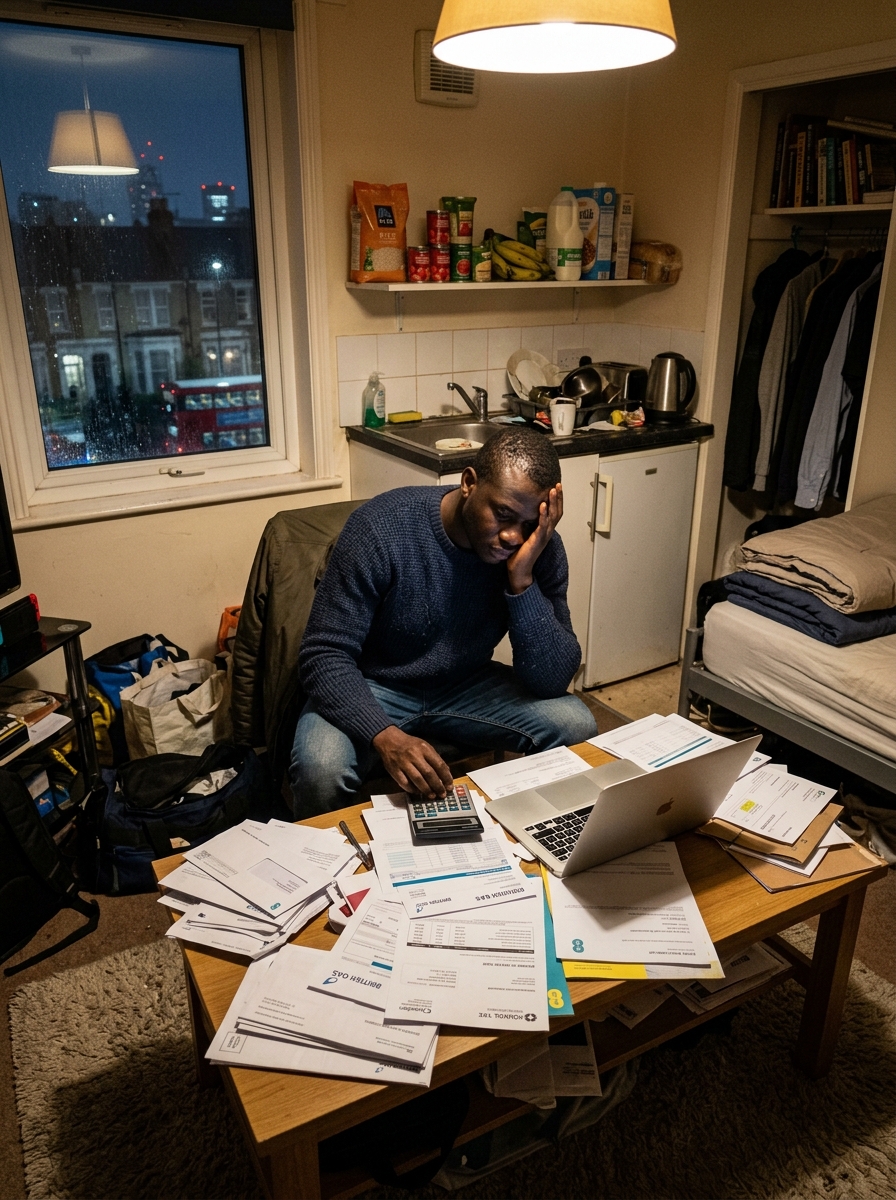
The idea that simply living abroad means money falls from the sky. They look away from the taxes, the transport costs, or the twelve-hour shifts. They do not see the tiny apartment that costs a fortune despite being smaller than your childhood wardrobe.
2. It's Just Small Money
Small to who?
That small money is usually already stretched thin across school fees, medical bills, and endless family emergencies. When someone calls a request small, it ignores the fact that those requests never seem to stop.
3. You Have Forgotten Us
This one hurts. It's almost like injecting a person with a syringe, drawing out blood and telling them everything is fine. This usually comes up the moment you have to say no to a request, regardless of how much you have helped quietly in the past. Many people abroad carry the weight of supporting entire households, and the truth is they think about home every single day.
4. When Are You Sending Something?
Notice how this question rarely begins with: "How are you doing?" Instead of asking how you are, it goes straight to when are you sending something? It feels less like a greeting and more like a financial penalty. There is also the idea that life abroad is easy. It is a comment usually made by those who have never had to scrape ice off a windshield at 6 a.m. or work a night shift as a nurse or a cleaner. No doubt, better opportunities exist, but they are rarely easy to come by.

5. Life Abroad Must Be Easy
It's sad they jump into such conclusions without asking the cleaners working weekends, the graduate driving deliveries while searching for work and other hurdles diasporians cross to earn a living.

6. Can You Help Just This One Time?
The problem is not the first "one time."
It's the eighteenth one-time request. The problem is not even the first "one time" at all. Many Africans abroad genuinely want to help. Unfortunately and more often than not, temporary help requests usually turn to a permanent expectation.
7. You're Earning in Dollars, Pounds, or Euros
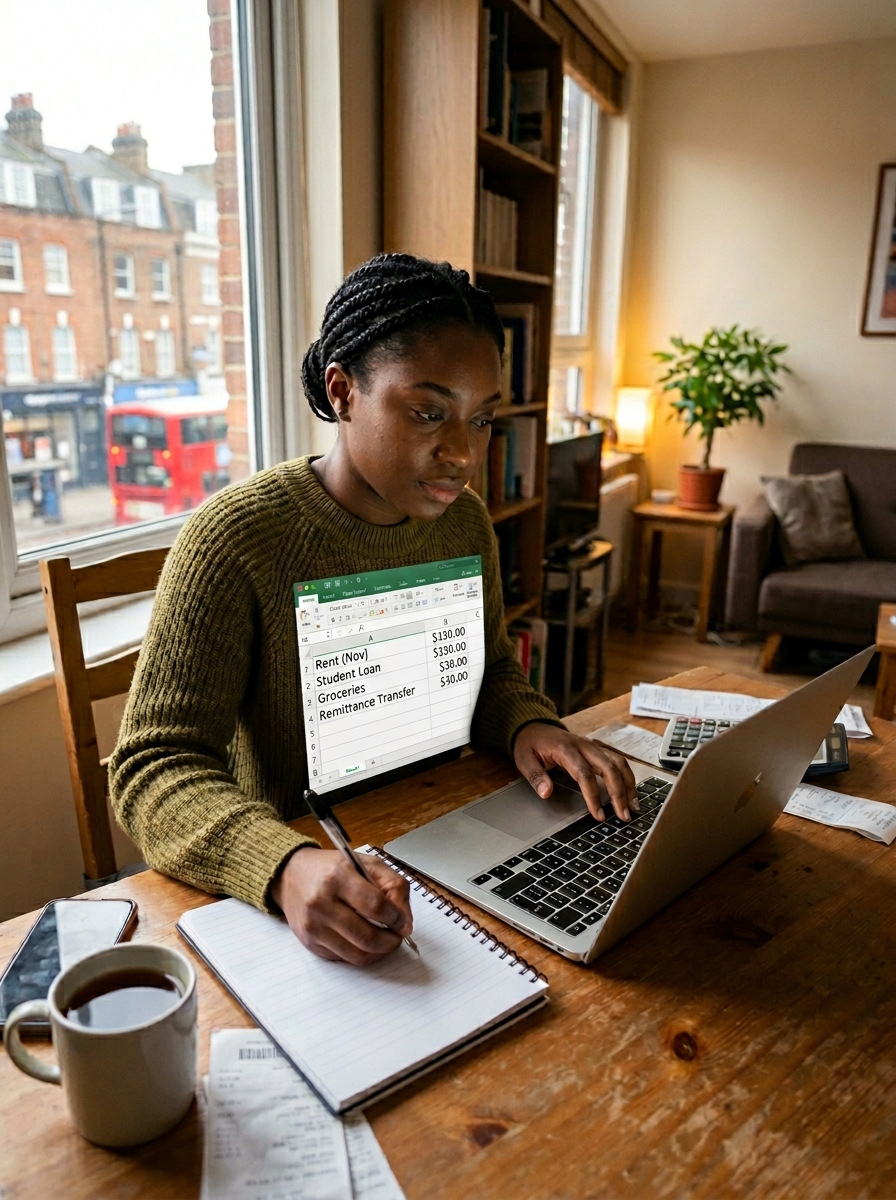
People love to point out that you are earning in dollars, pounds, or euros. What they forget is that you are also spending in those currencies. They convert your income in their heads but rarely think about your expenses. This leads to the constant pressure to buy land or the question of why you are still renting, as if buying a house abroad is as simple as topping up your phone credit.
8. You Should Buy Land Immediately
Land! The unofficial African retirement plan.
Every visit home eventually includes someone recommending a plot somewhere usually beginning with your own parents, siblings, uncles and even childhood friends because they think you can afford it. Alas, many Africans abroad are still trying to survive month to month, and owning land isn't always the first priority. When you aren't even done paying for your shared apartment.

9. Can You Bring Me an iPhone?
It's hilarious that requests like this makes it look like everyone knows somebody abroad who doubles as an international electronics distributor. This is usually a classic in the list. Not one, not two.
Sometimes five.
And when you finally start setting boundaries to survive, you might hear that you have changed. Often, this just means you have stopped saying yes to every single demand.
Finally,
this one is extremely annoying and will trigger you.
10. You Have Changed
As if you live for them, their validations and at the dictate of what they want of you. Setting boundaries now start looking like arrogance to people who benefited from your lack of boundaries. They have a problem with you ending saying yes to everything. That's fine and good for you.
You need to put yourself first.

As I conclude with this important part that rarely gets talked about. Bear in mind that most Africans living abroad are not trying to pick between their own lives and their families back home. They are trying to do both at the same time, every single month, for years on end. It is a constant balancing act across different time zones and generations.
They are working to build a future while making sure everyone back home is okay in the present. This isn't about being selfish. It is an incredible amount of pressure, and to be honest, it is often exhausting.
When a money transfer arrives, the effort that went into it is usually invisible. You do not see the overtime hours or the cancelled plans. You do not see the dreams someone put on hold or the personal sacrifices they made just to hit that send button. People only see the money, but every transfer tells a very specific story. It might be a daughter taking care of her parents, a brother paying for school fees, or someone covering an unexpected hospital bill. Millions of people are quietly supporting the ones they love while carrying heavy burdens themselves. That kind of commitment deserves a lot more recognition than it gets.

If you have ever felt guilty for having to say no, or if you have sat there looking at your phone wondering how to make the numbers work this month, you are not alone. There are millions of people in the diaspora who know that exact feeling. Saying no does not make you a failure or mean you have forgotten your roots. It just means you are carrying more than most people realize.
We should probably stop measuring love by the size of a bank transfer. Love was never supposed to be a transaction. It is something much larger than that, and the people who truly care about you already know it.
Did this article resonate with you?
Share it with an African brother or sister abroad who needs to know they're not carrying this journey alone. You can always subscribe to our newsletter for diasporians like you or join our community of Africans abroad on all social media platforms @SendBuddie.
Behind every transfer is a person, a sacrifice, and a story worth telling!